Stained Glass Coloring Page #2
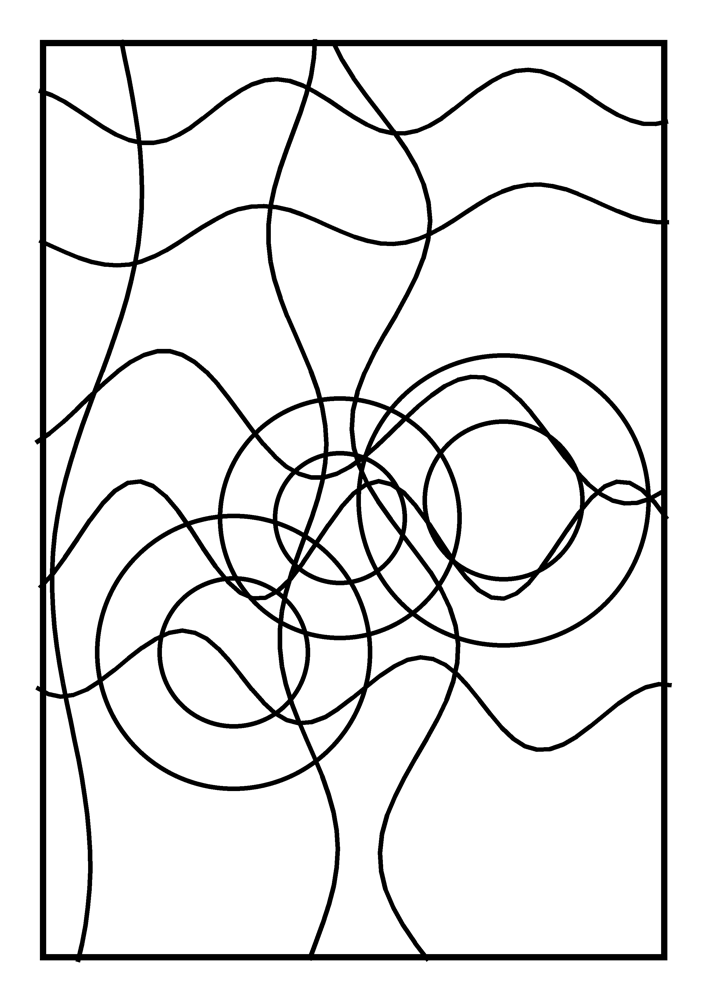
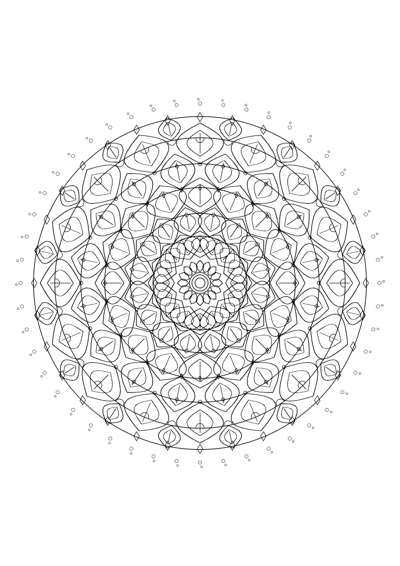
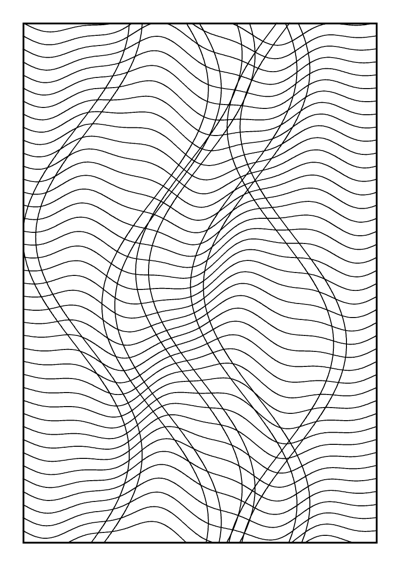
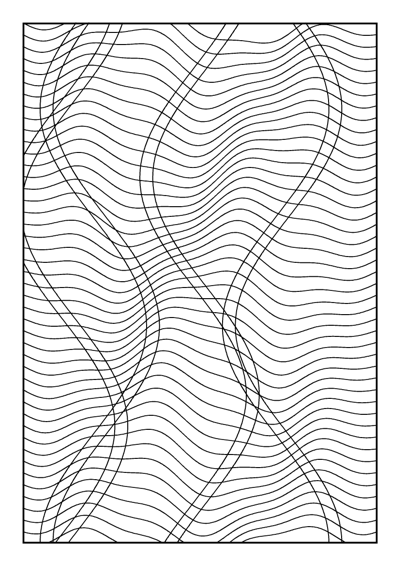
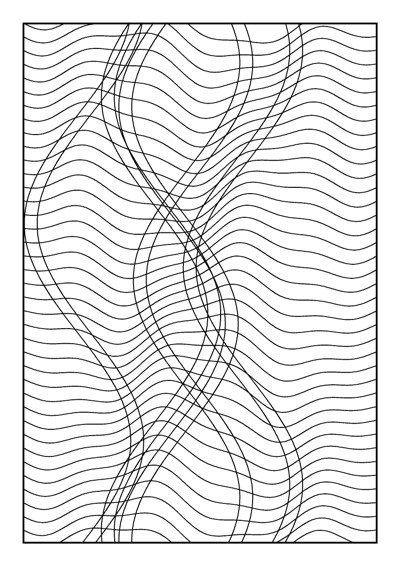
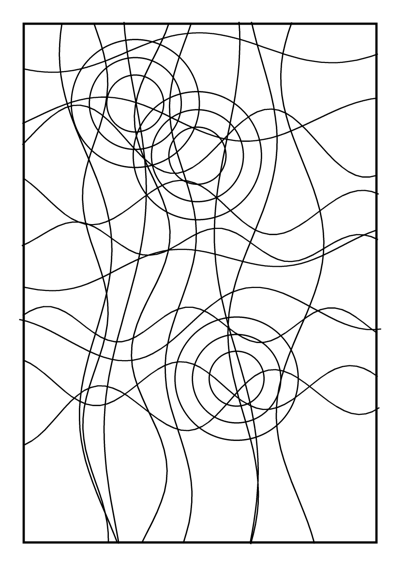
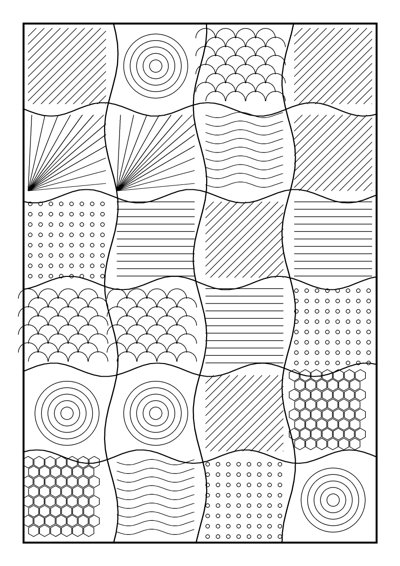
An abstract stained-glass design of flowing curves and circles with generous regions to color.
★★★
Free printable · PNG 2480×3508 px (A4, 300 DPI) · PDF in A4 & US Letter · No sign-up
Best for Adults
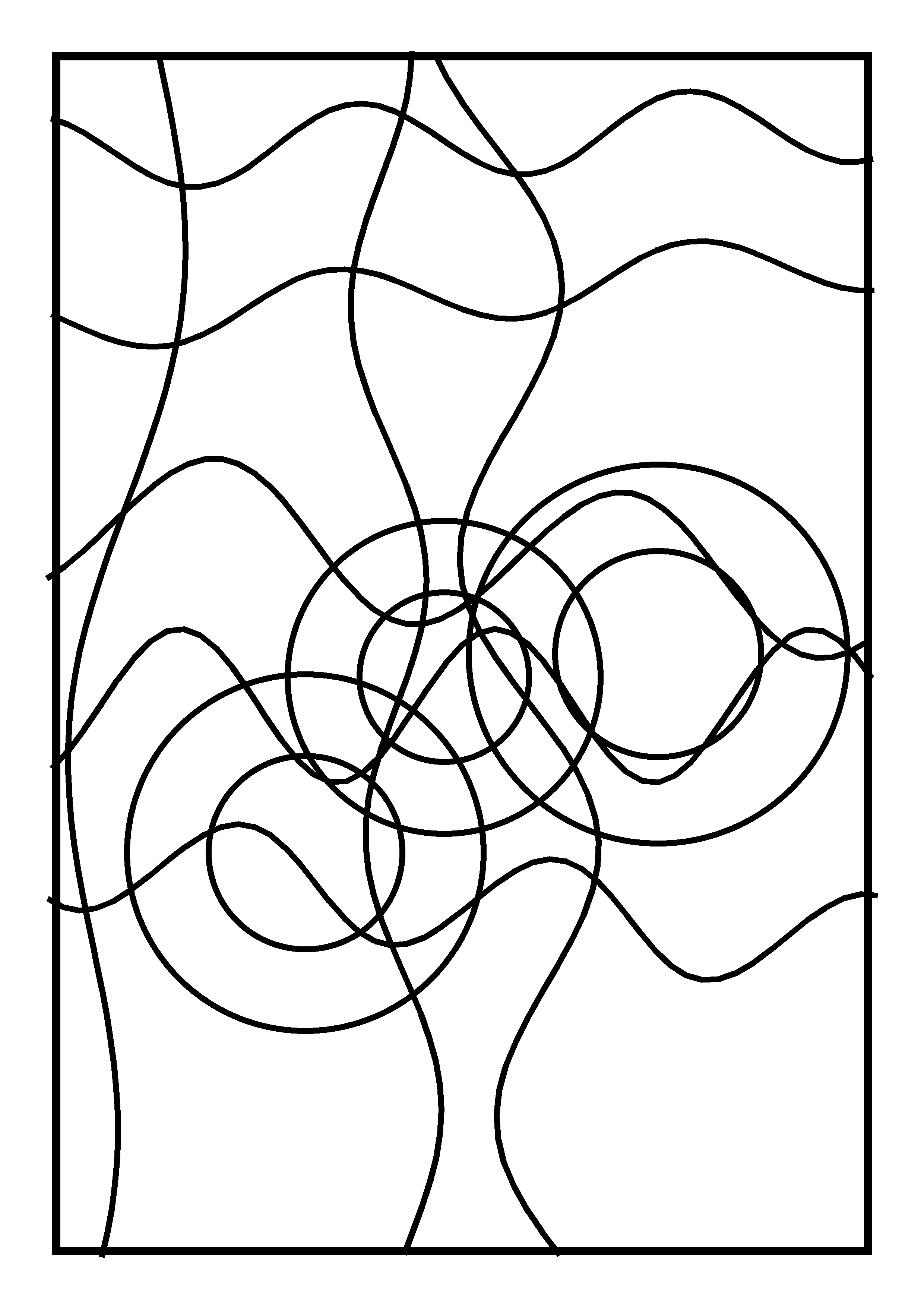
An abstract stained-glass design of flowing curves and circles with generous regions to color.
★★★
Free printable · PNG 2480×3508 px (A4, 300 DPI) · PDF in A4 & US Letter · No sign-up
Best for Adults
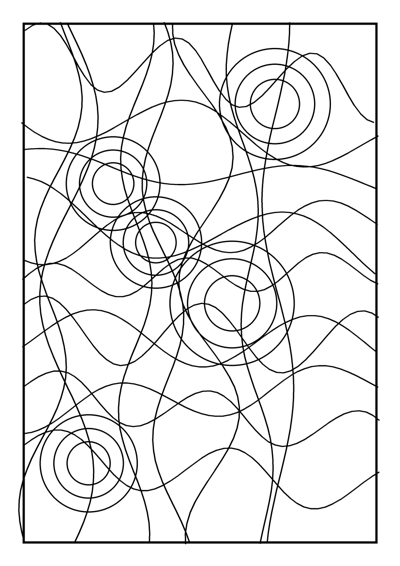
This stained glass coloring page features an intricate abstract composition filled with graceful flowing curves and distinct circular ripple patterns. Thick black outlines segment the entire rectangular frame into dozens of varied geometric and organic shapes, creating generous compartments of different sizes ready to fill.
The design spans from edge to edge with multiple intersecting lines that weave across the canvas, resulting in numerous enclosed regions. There is no central foreground subject, leaving the entire area open for pure pattern coloring with plenty of space for detailed shading or solid fills.
This decorative composition is entirely imagined, drawing inspiration from traditional stained glass window layouts where metal cames separate individual pieces of colored glass. Abstract designs of this type do not represent real-world objects, allowing for complete freedom in choosing palettes and color placement.
The curved lines and circular ripples resemble organic waves or ripples on water, contrasting with the rigid rectangular boundary of the frame. Such fluid arrangements let you experiment freely with color transitions and gradients without worrying about realistic color schemes.
Because this page relies on interconnected abstract shapes, working with a cohesive color family like cool blues and purples or warm sunset tones helps bring harmony to the overall piece. Colored pencils or fine-tipped markers work well here, especially if you want to apply subtle shading inside the individual compartments to create a translucent glass effect.
To depart from traditional stained glass, try treating each section as a completely independent abstract canvas using contrasting neon hues or stark monochromatic gradients. Beginning near one of the circular ripple centers and spiraling outward helps maintain a steady rhythm as you fill in the surrounding sections.
Standard printer paper works fine for colored pencils, but if you prefer using water-based markers or fine-liners, a slightly heavier cardstock prevents bleeding through the page and helps keep your lines crisp.
★★★★
★★★★
★★★★
★★★
★★★
★★★
★★★
★★★
★★★★
★★★★
★★★★