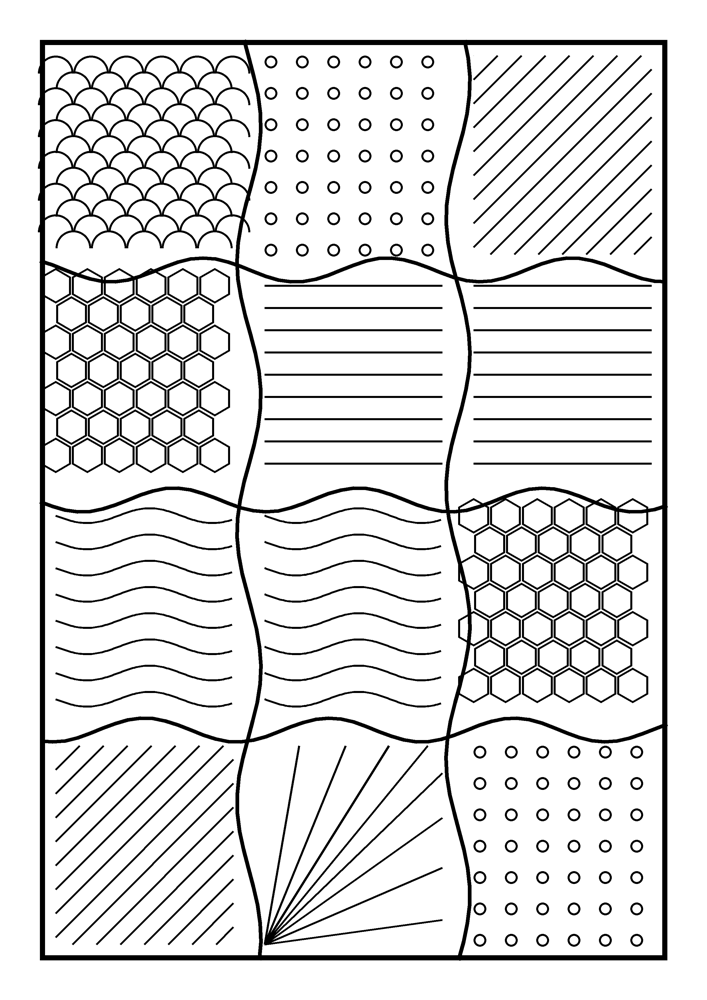
Zentangle Patchwork Coloring Page #8
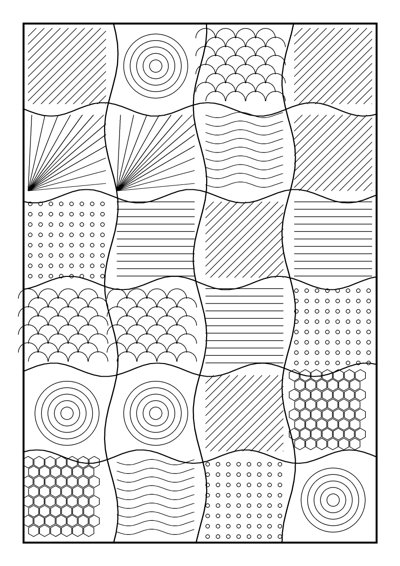
A patchwork of hand-style zentangle patterns - scales, waves, dots and honeycombs - for mindful coloring.
★★★★
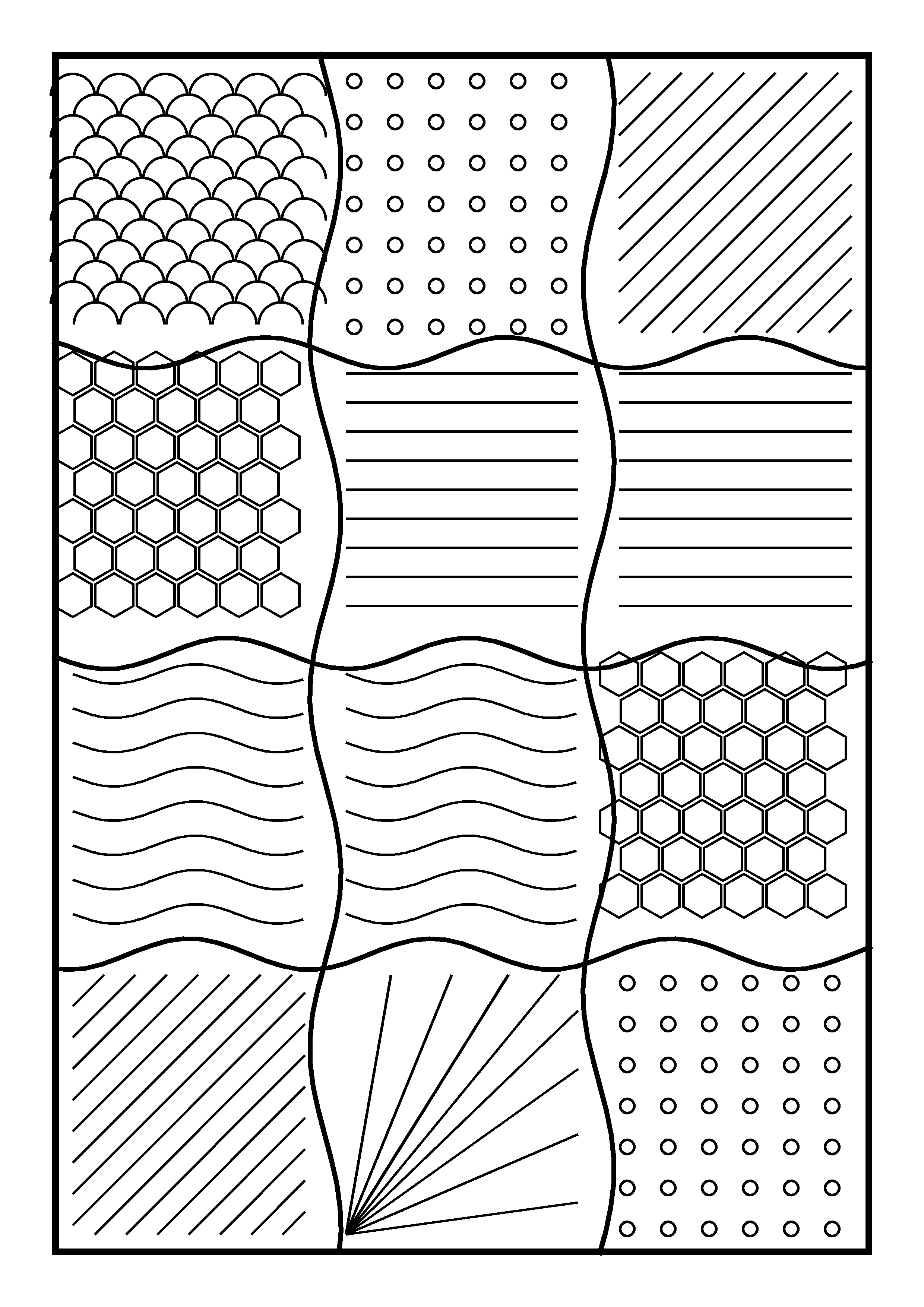
Free printable · PNG 2480×3508 px (A4, 300 DPI) · PDF in A4 & US Letter · No sign-up
Best for Adults
A patchwork of hand-style zentangle patterns - scales, waves, dots and honeycombs - for mindful coloring.
★★★★
Free printable · PNG 2480×3508 px (A4, 300 DPI) · PDF in A4 & US Letter · No sign-up
Best for Adults
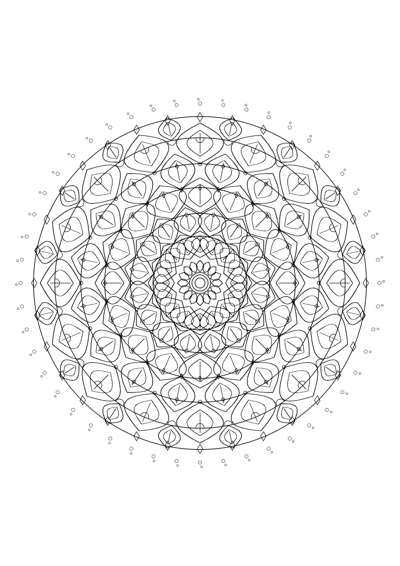
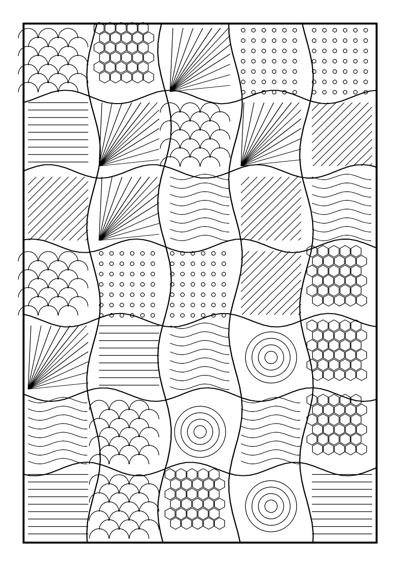
This coloring page features a grid of twenty separate rectangular panels separated by wavy divider lines. Each individual box is filled with a different hand-drawn zentangle pattern, including parallel diagonal lines, horizontal stripes, fish scales, wavy lines, concentric circles, honeycomb grids, and polka dots.
The black outlines are crisp and varied in density, offering twenty distinct sections that create a structured patchwork effect. The entire composition is contained within a clean, straight-edged rectangular border with no extra background illustration.
Zentangle is an unstructured, meditative drawing method created by Rick Roberts and Maria Thomas that uses deliberate, repeated strokes to form intricate patterns. This page uses a patchwork quilt layout, which is a traditional folk art arrangement where individual patterned squares are pieced together into a larger unified design.
The patterns shown here are completely decorative and abstract, combining geometric elements like hexagons and concentric circles with organic shapes like overlapping scales and fluid waves. Working through these repetitive structures naturally encourages focus and steady hand control.
This intricate grid is well-suited for fine-tipped fineliners or colored pencils, which allow you to keep the small patterns neat and distinct. You might assign a specific color palette to each row, or use a monochromatic color scheme with different shades of blue and green across the various panels.
For a more playful approach, treat each square as a completely independent tile with contrasting neon or pastel hues. Starting near the center and working your way out toward the outer borders can help prevent smudging your work as you progress.
Because many of these boxes contain dense line work and fine details, printing on a heavier cardstock paper is recommended if you plan to use water-based markers or gel pens. Standard printer paper works well for colored pencils, but thicker paper prevents bleed-through and supports sharper contrast between the delicate patterns.
★★★★
★★★★
★★★★
★★★
★★★
★★★
★★★
★★★
★★★
★★★★
★★★★